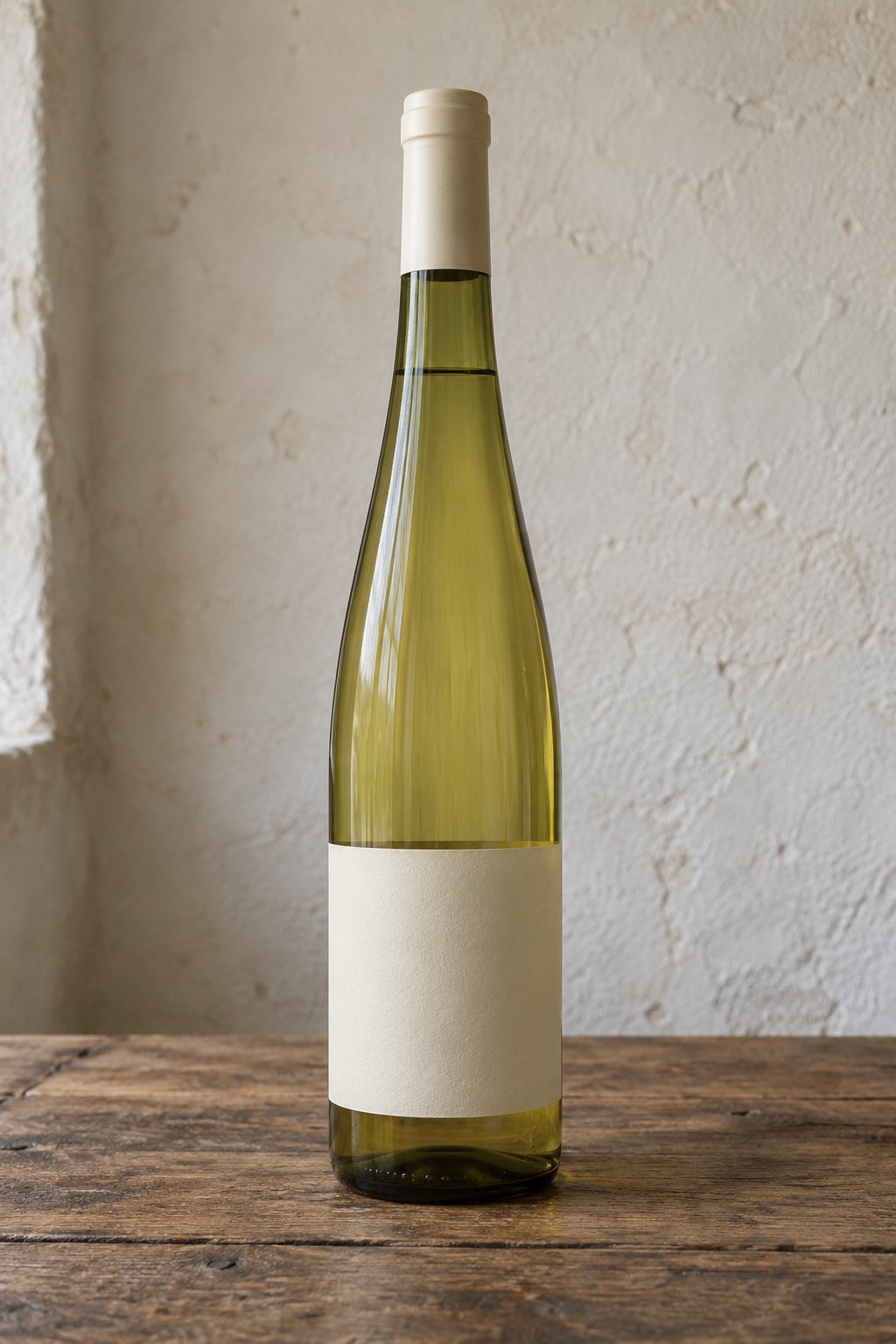
Nad Potokiem
Winnica Silesian · Lower Silesia
Riesling · granite · 2023
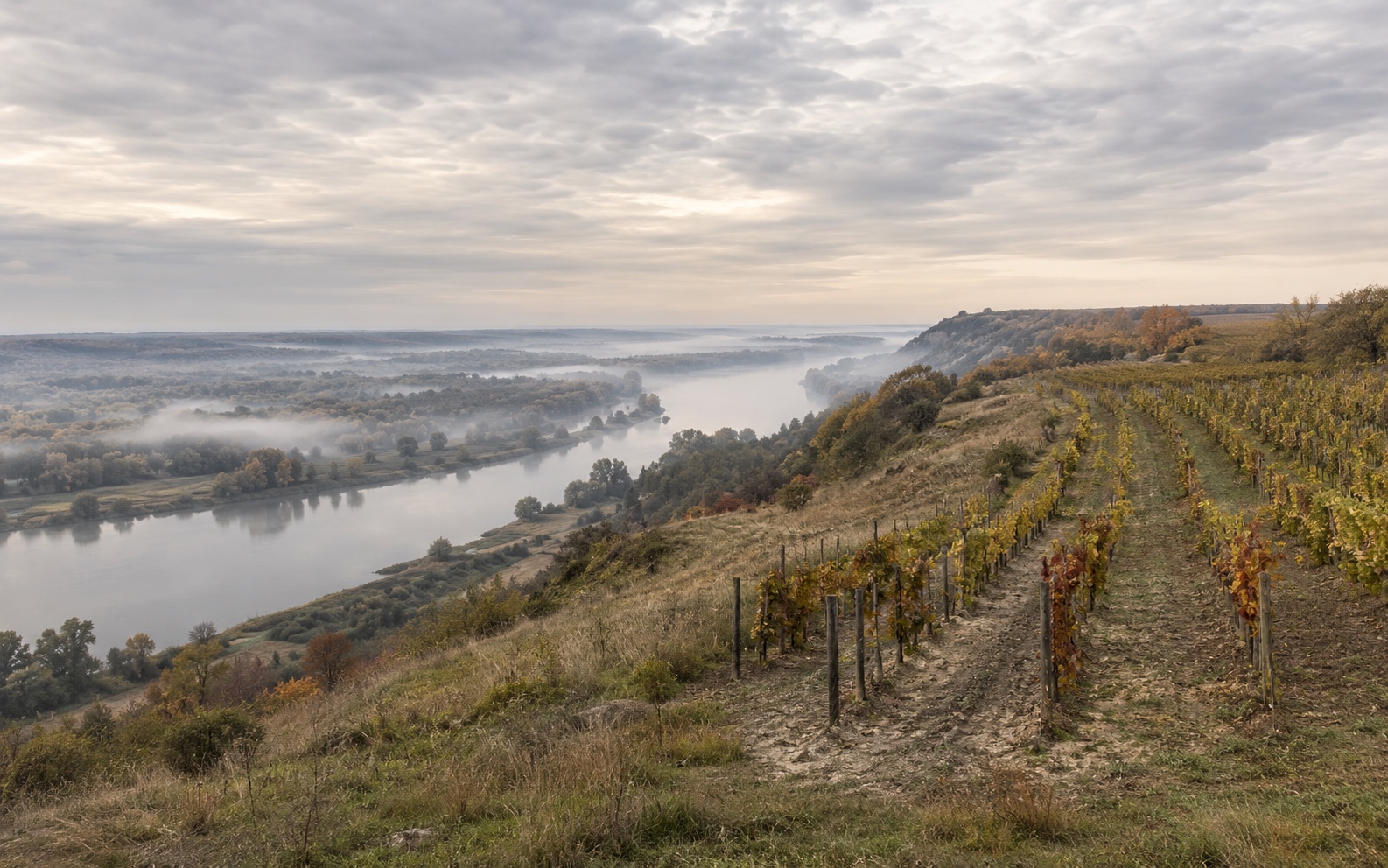
The route
For two thousand years amber travelled from the Baltic down the Vistula and the Oder, through the Moravian Gate to Carnuntum on the Danube, and on to the Adriatic at Aquileia. Vines grew along most of it. We follow the same road in the other direction, and bring back what we find.
900
170,000 ha
49°N
Countries on the road
Wines and producers
Winnica Silesian · Lower Silesia
Riesling · granite · 2023
Winnica Jakubów · Lower Silesia
2022
Moderna · Lower Silesia
Pinot Noir · 2023
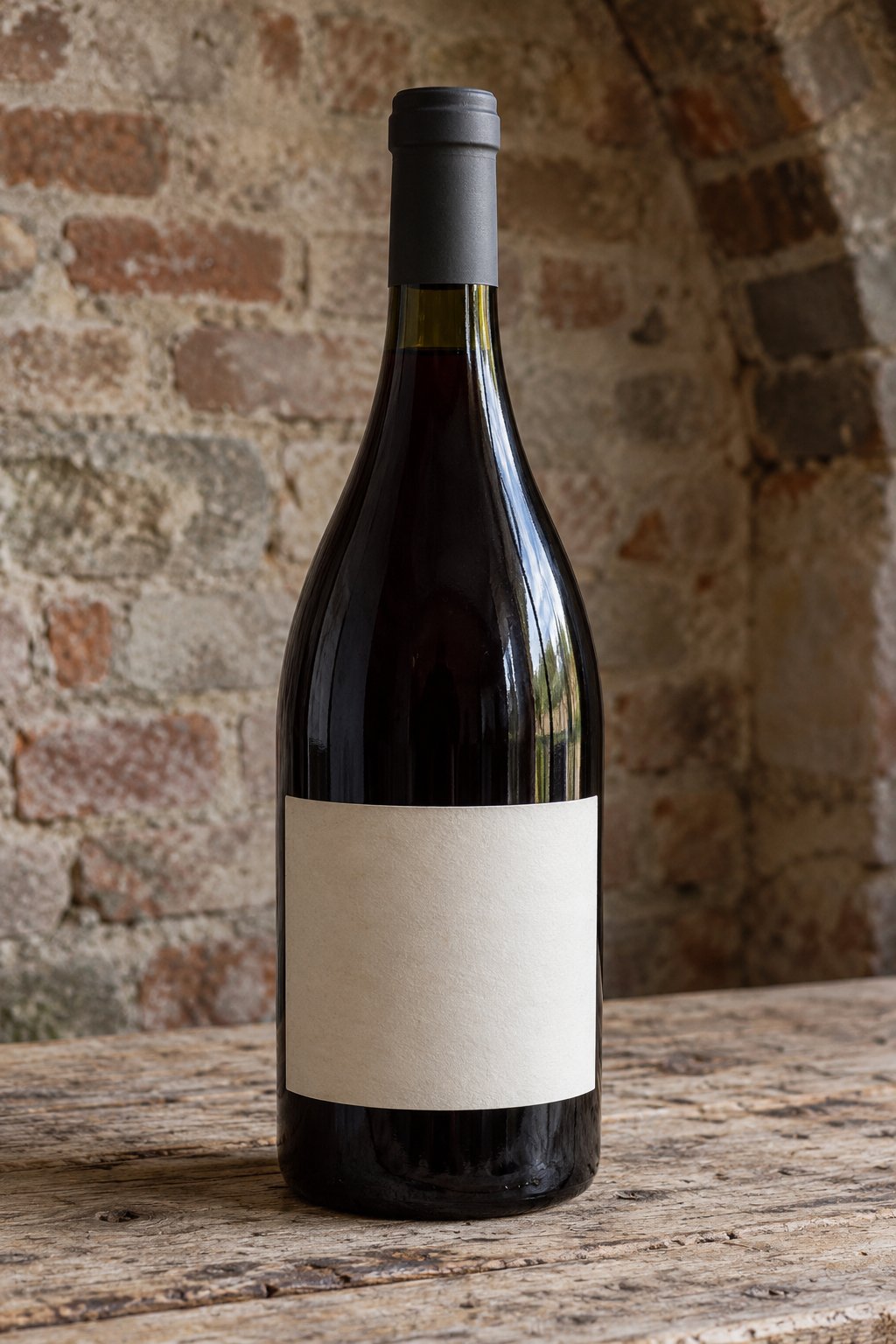
Winnica Srebrna Góra · Kraków Jura
Pinot Noir · limestone, loess · 2022
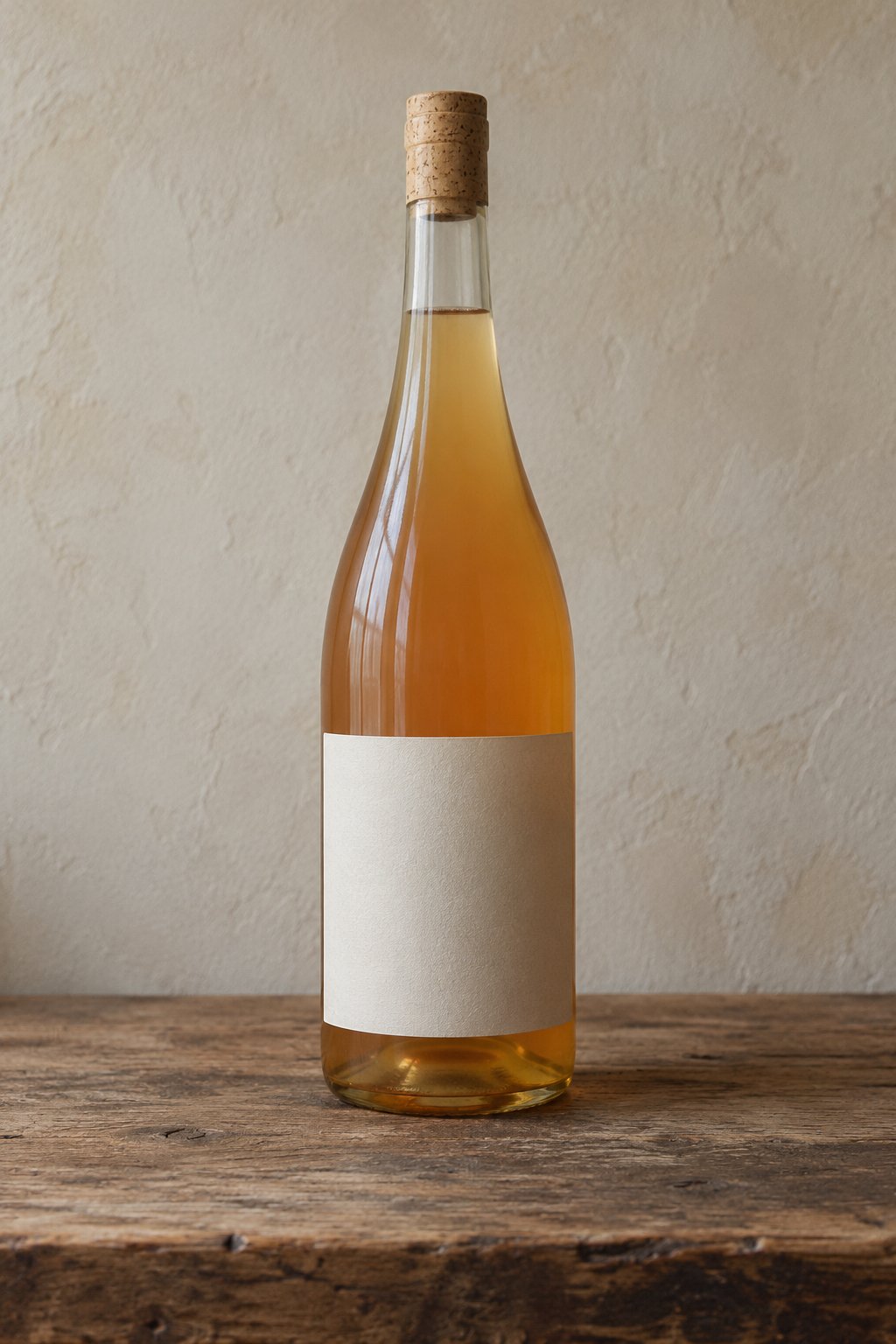
Dom Bliskowice · Vistula Gorge
Solaris · loess · 2023
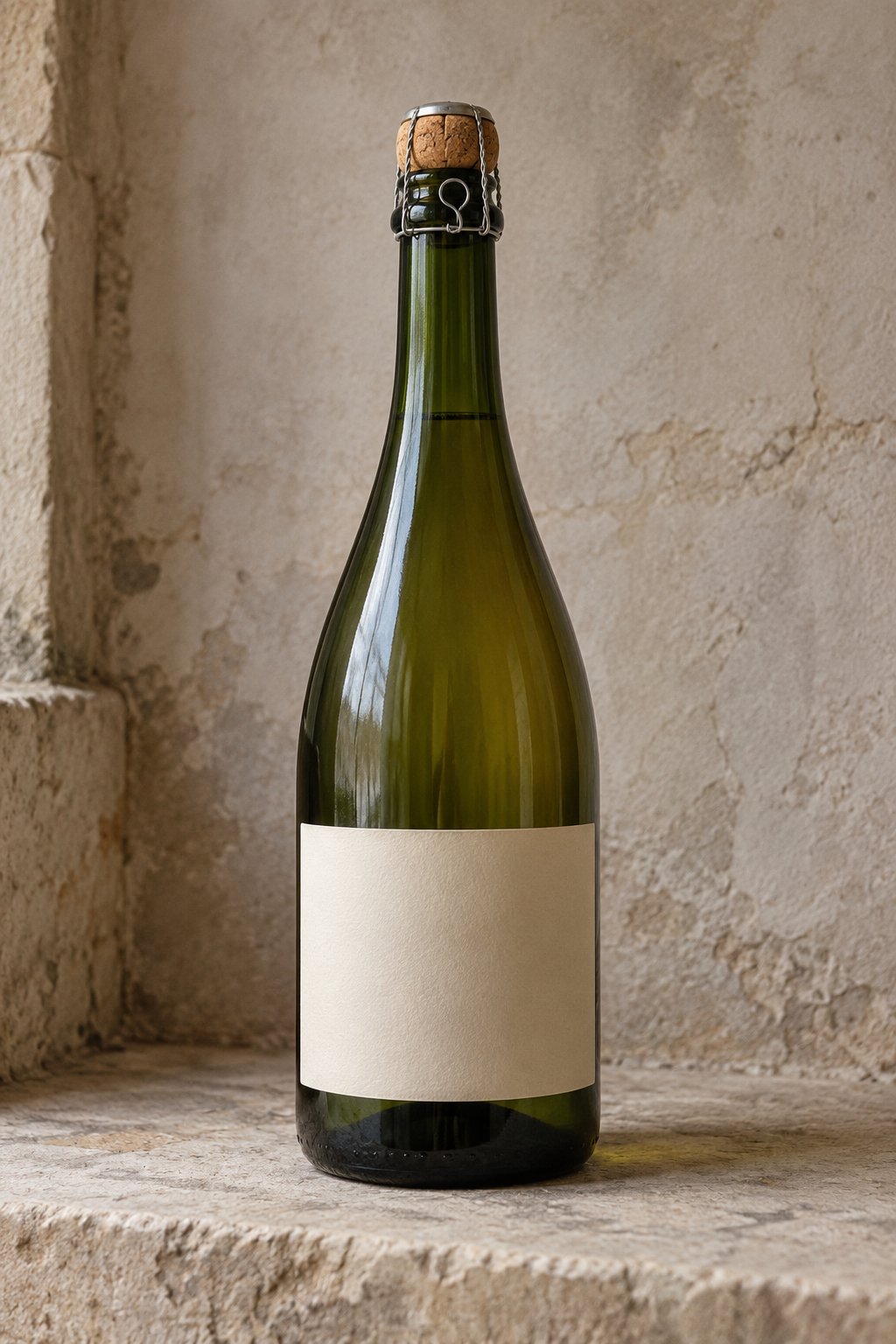
Winnica Turnau · West Pomerania
Chardonnay, Pinot Noir · sand, loam · 2021
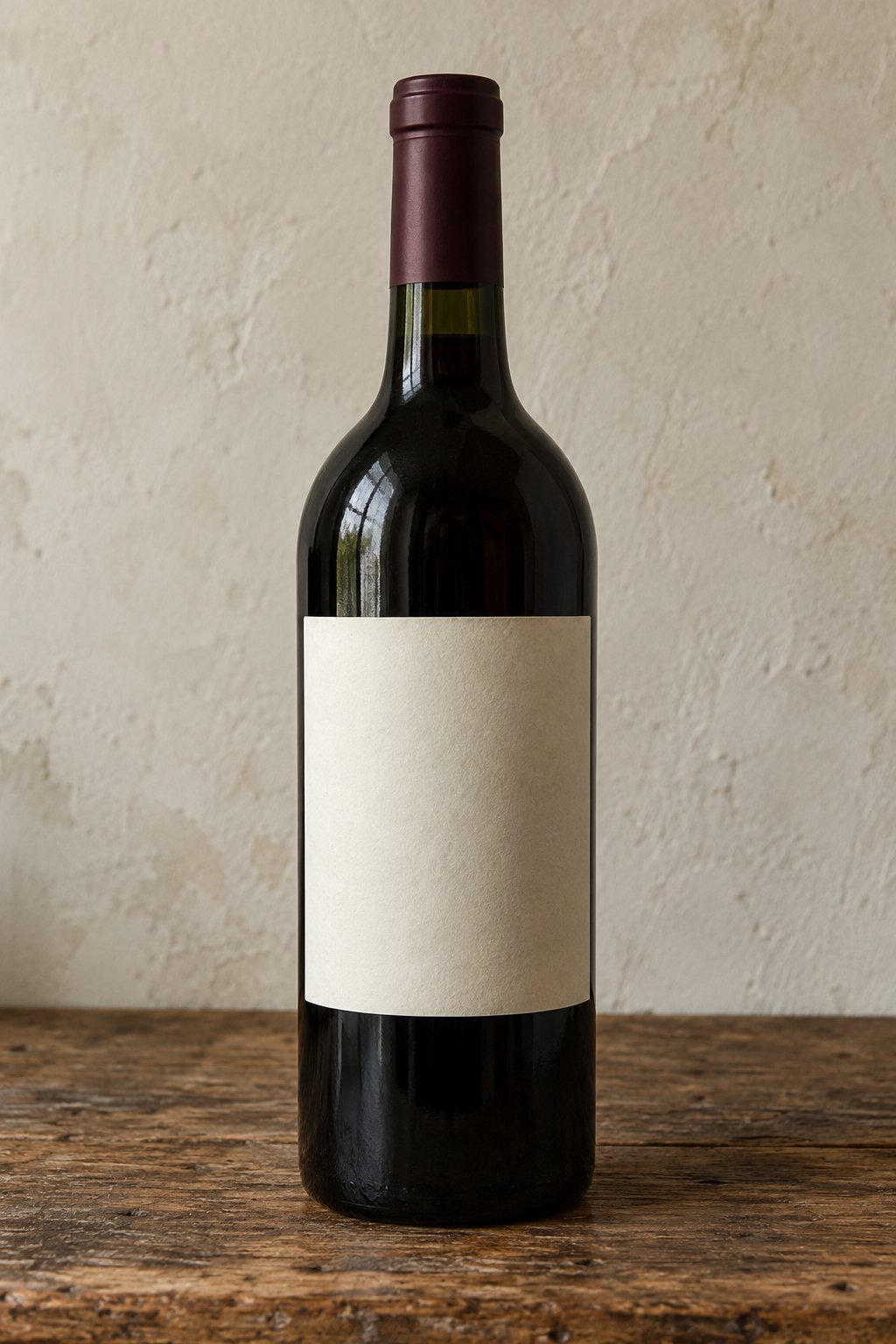
Winnica Płochockich · Sandomierz
St. Laurent · loess over limestone · 2022
Why Central Europe
Cistercians planted vines at Paradyż in 1250. Grünberg, now Zielona Góra, had 1,400 hectares and a sparkling-wine house in the 1860s. Moravia's Pálava hills are Jurassic limestone; Somló is a basalt plug. None of this is new. What is new is a generation of small estates farming these places seriously again.
We look for wines with a reason to taste the way they do: a slope, a soil, a cool season, a person. Then we draw the line back from the glass to the place, and let you follow it as far as you like.
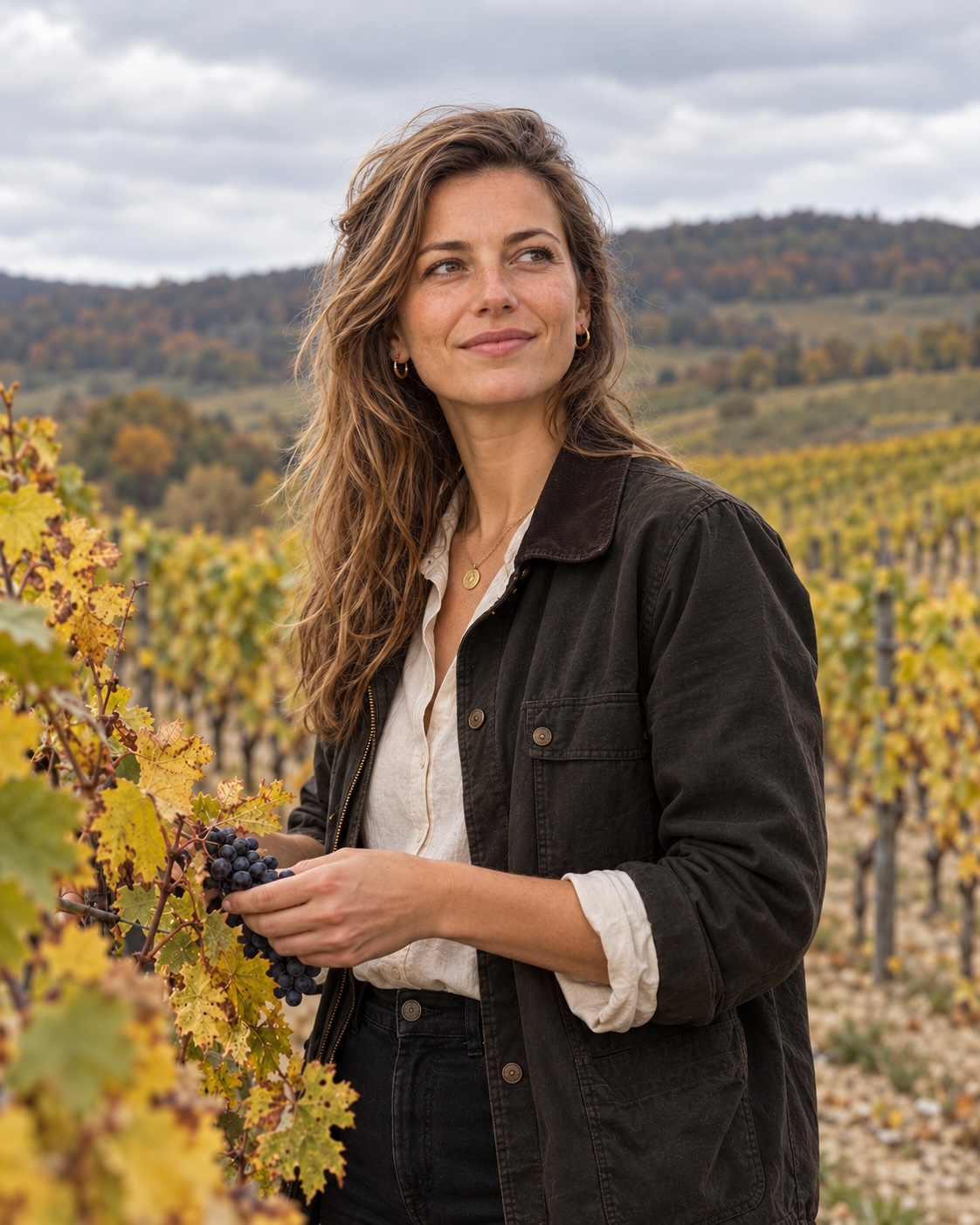
The founder
Nora spent twelve years on restaurant floors in San Francisco, the last five running the wine list. The wine that changed her mind was a Polish Riesling from granite, poured blind at a staff tasting, that nobody at the table could place. She looks for growers who farm their own vines and can tell you why their wine tastes the way it does.
Portfolio book, tech sheets, samples.
Stories
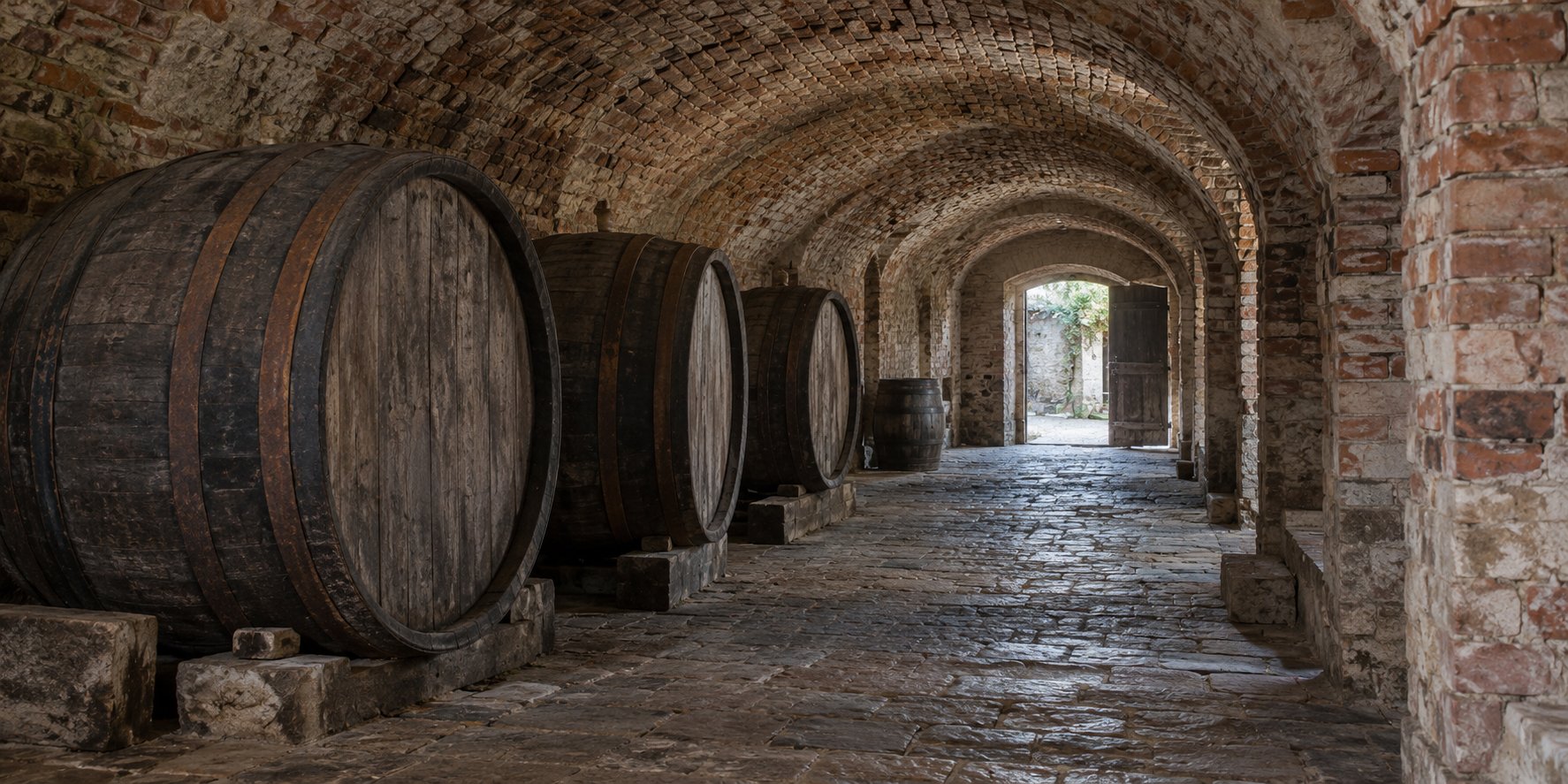
Place · 4 min · 28 September 2026
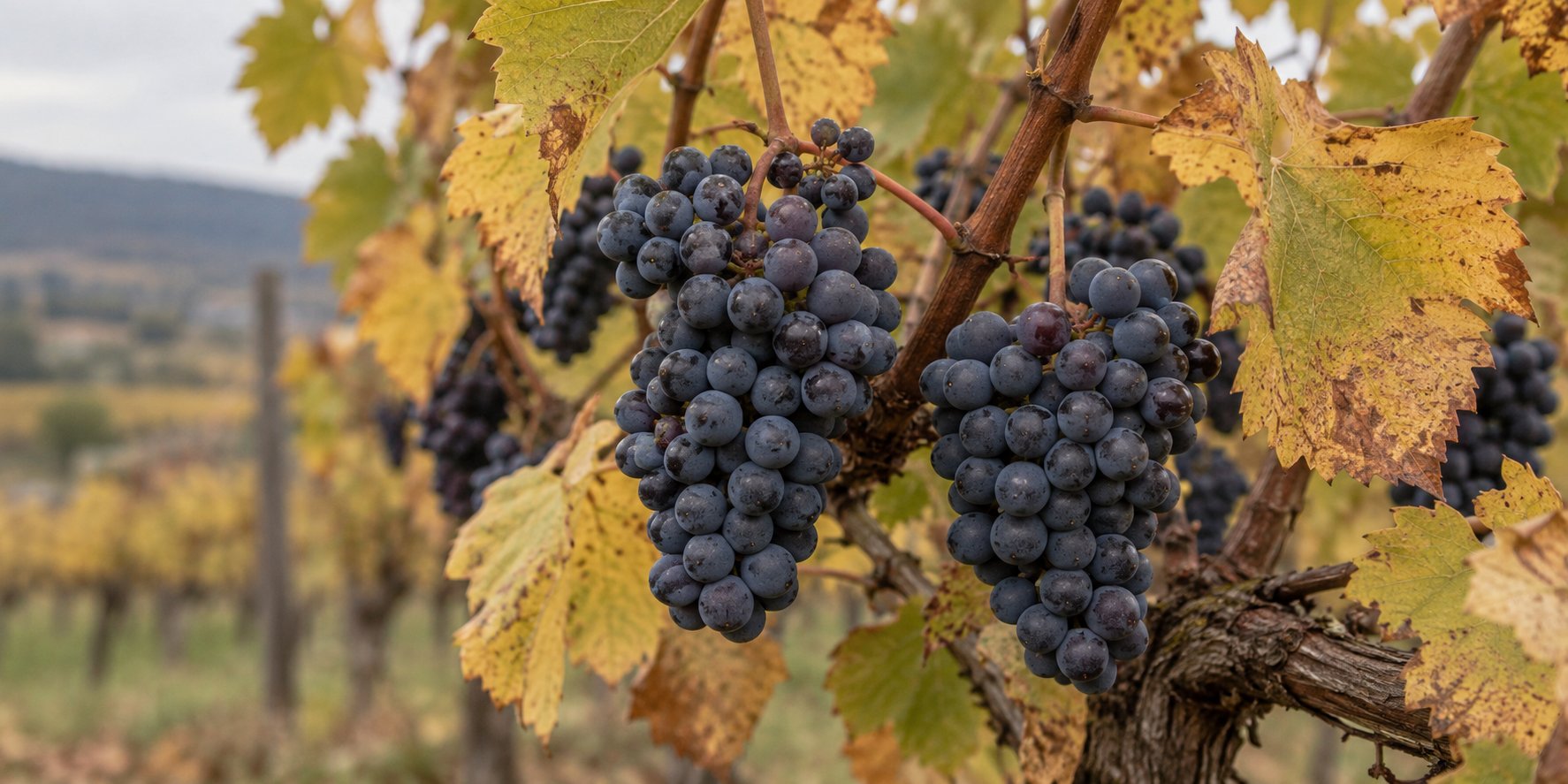
Grape · 3 min · 14 September 2026
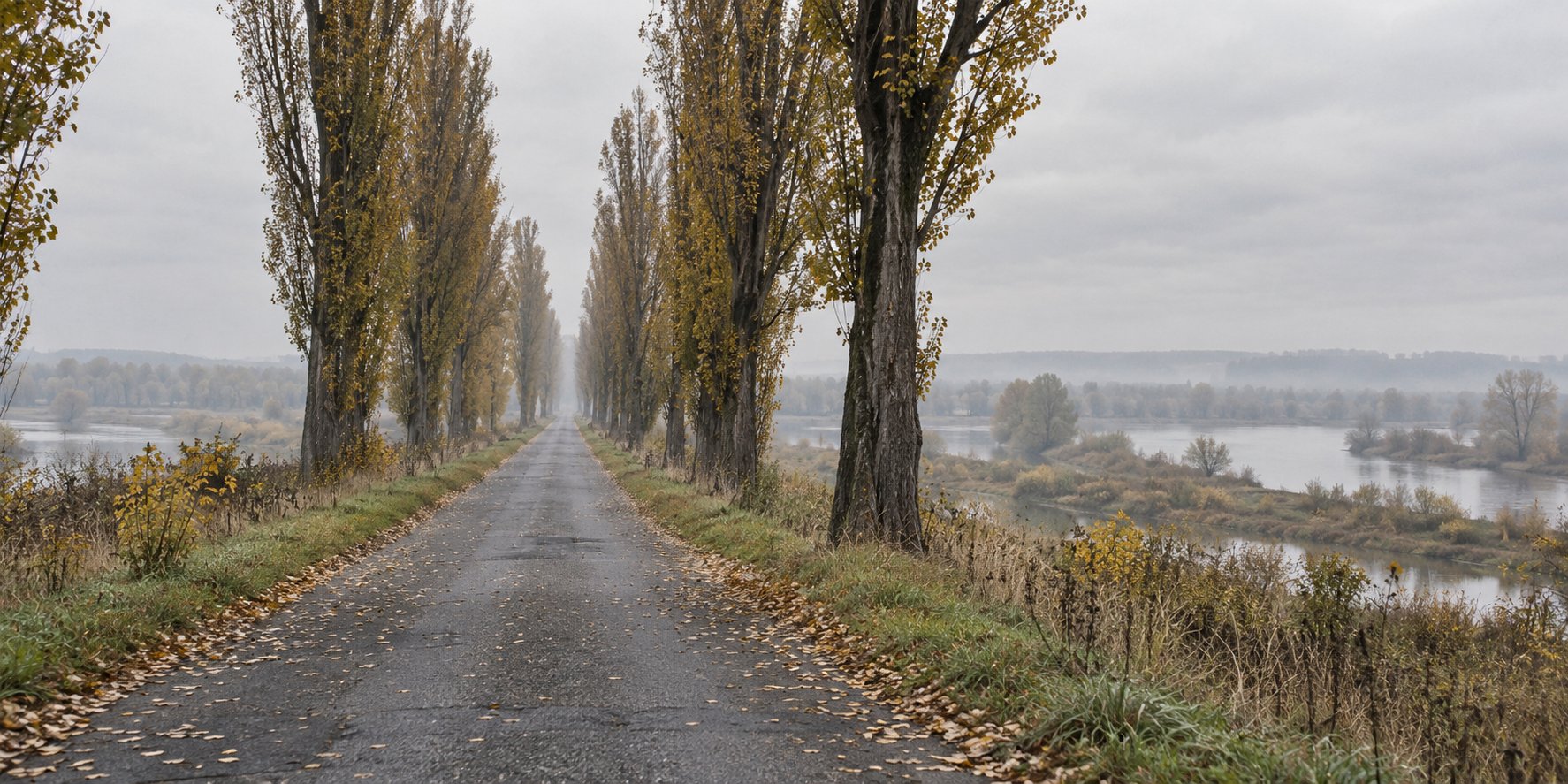
Road · 3 min · 31 August 2026