- Vintage
- 2023
- Grapes
- Pinot Noir
- Alcohol
- 12.5% vol
- Soil
- not disclosed
- Elevation
- 180–220 m
- Farming
- hand-farmed, low input
- Harvest
- by hand, late September
- Fermentation
- native yeast, small open vats
- Ageing
- 10 months in used barrels
- Production
- 1,800 bottles
- Serve
- 14–16 °C
- Cellar
- 3–7 years
Tasting
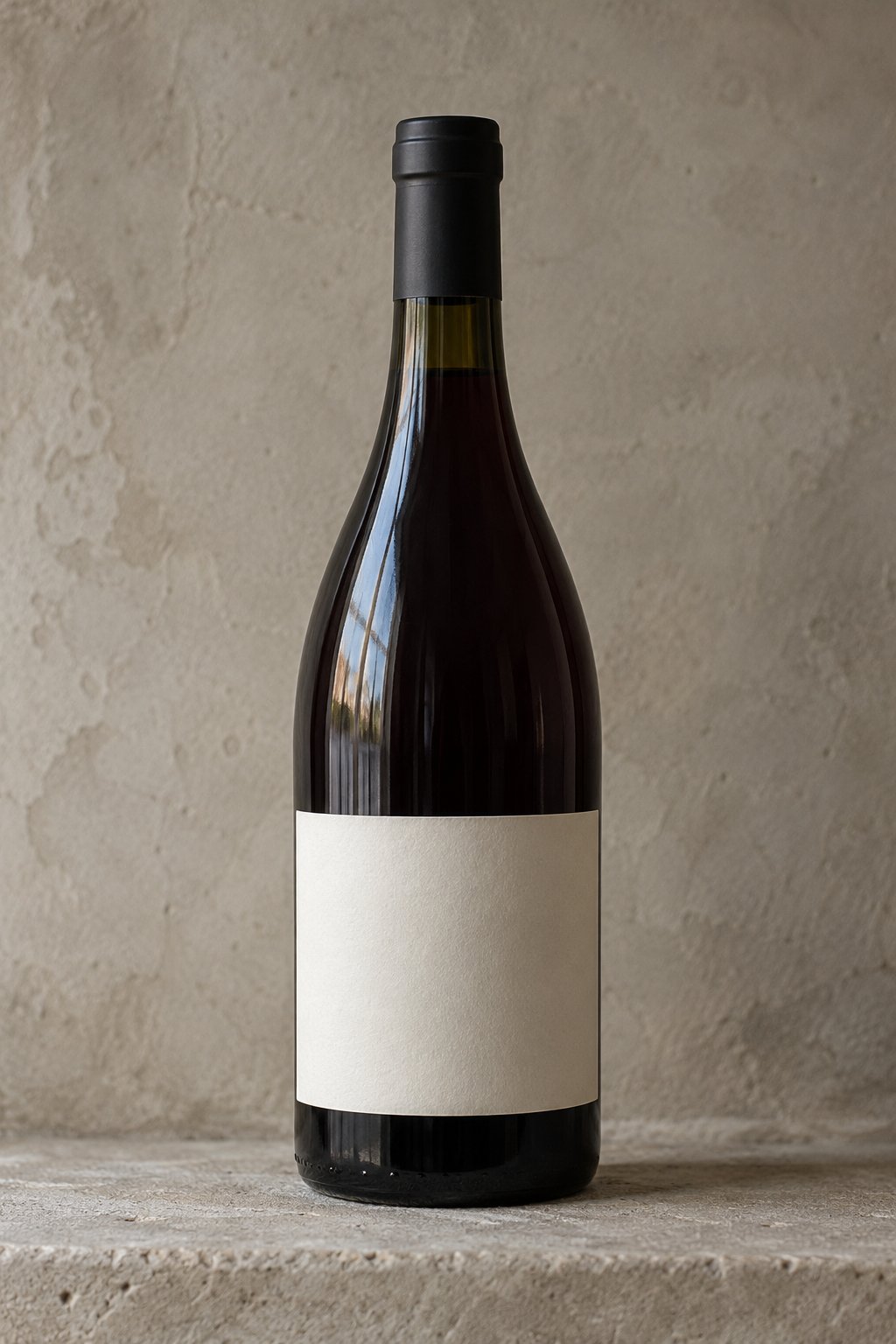
Jesień means autumn. From three hectares of Pinot Noir and nothing else. Bright ruby, with red cherry, cranberry and a little beetroot earth. The palate is light and direct: crunchy fruit, fresh acidity, soft tannin. Ten months in used barrels give it some roundness and no woody note. A red to drink cool and fairly young, with the fruit up front, though it holds well for a few years after release.
Food
Pork shoulder with plums, Beetroot and horseradish salad, Wild mushroom pierogi
Why does it taste like this?
Descend one layer at a time.
Grape · Pinot Noir
Burgundian red. ≈100 ha across 120 Polish wineries; red cherry, raspberry, gentle tannin.
Soil · not disclosed
Vineyard · Przy Domu, 3.1 haPrzy Domu means by the house: a single block of Pinot Noir, picked in one pass.
Region · Lower Silesia
Poland's mildest wine country, in the Oder valley around Wrocław. Granite in the Sudeten foothills, loess and sandy clay along the river, calcareous ground to the south-east; Pinot Noir and Chardonnay do best. The first Polish appellation application is for this region.
Climate · transitional oceanic–continental
Transitional oceanic–continental, EU zone A; growing season 180–230 days, 1,400–1,900 sunshine hours, 450–650 mm rain in the lowlands.
- Latitude
- ≈ 50.5° – 51.5° N
- Elevation
- 120 – 350 m · Trzebnica Hills to the north
- Climate
- mildest in Poland; oceanic influence from the west
- Rainfall
- ≈ 550 – 650 mm
- Growing season
- ≈ 200 – 230 days
History · c.1600 BC to Today
- c.1600 BC
- Baltic amber reaches the Mediterranean; the road exists
- 1st c.
- Roman Carnuntum, Pannonia, Aquileia; vines along the Danube
- 966
- Christianisation; Bull of Gniezno records Polish vineyards
- 1136
- 1136 · The Bull of Gniezno
- 1250
- Cistercians at Paradyż; medieval peak near 4,000 ha
- 1513
- Little Ice Age frosts; the long cooling
- 1826–60s
- Grempler Sekt; Grünberg's 1,400 ha
- 1900
- Phylloxera; Moravia falls to 3,800 ha
- 1945
- Borders redrawn twice; Grünberg becomes Zielona Góra
- 1982
- Jasło, hobbyists, EU accession, the 2008 law
- 2008
- 2008 · The wine law
- Today
- 673 growers in Poland; the first PDO in process
See where this wine comes from
Bottle → producer → vineyard → region → country → Central Europe