PIWI white · most planted · ripe, fruit-driven
Poland
Poland has made wine for nine hundred years. It has made it seriously for about fifteen.
At a glance
Poland has made wine for nine hundred years. It has made it seriously for about fifteen.
- Vineyard area
- ≈1,000 ha
- 951 ha in 2024; passed 1,000 in 2025
- Producers
- 673
- growers; 304 bottling; 20 in 2009
- Latitude
- 49.7–53.1°N
- EU zone A, the coolest
- Climate
- Transitional
- oceanic to continental; 180–230 day season
- Key grapes
- Solaris · Riesling
- Pinot Noir leads the reds
- Key soils
- Loess · limestone
- granite, sandy loam, volcanic foothills
The landscape
Rivers, hills and a season that is getting longer.
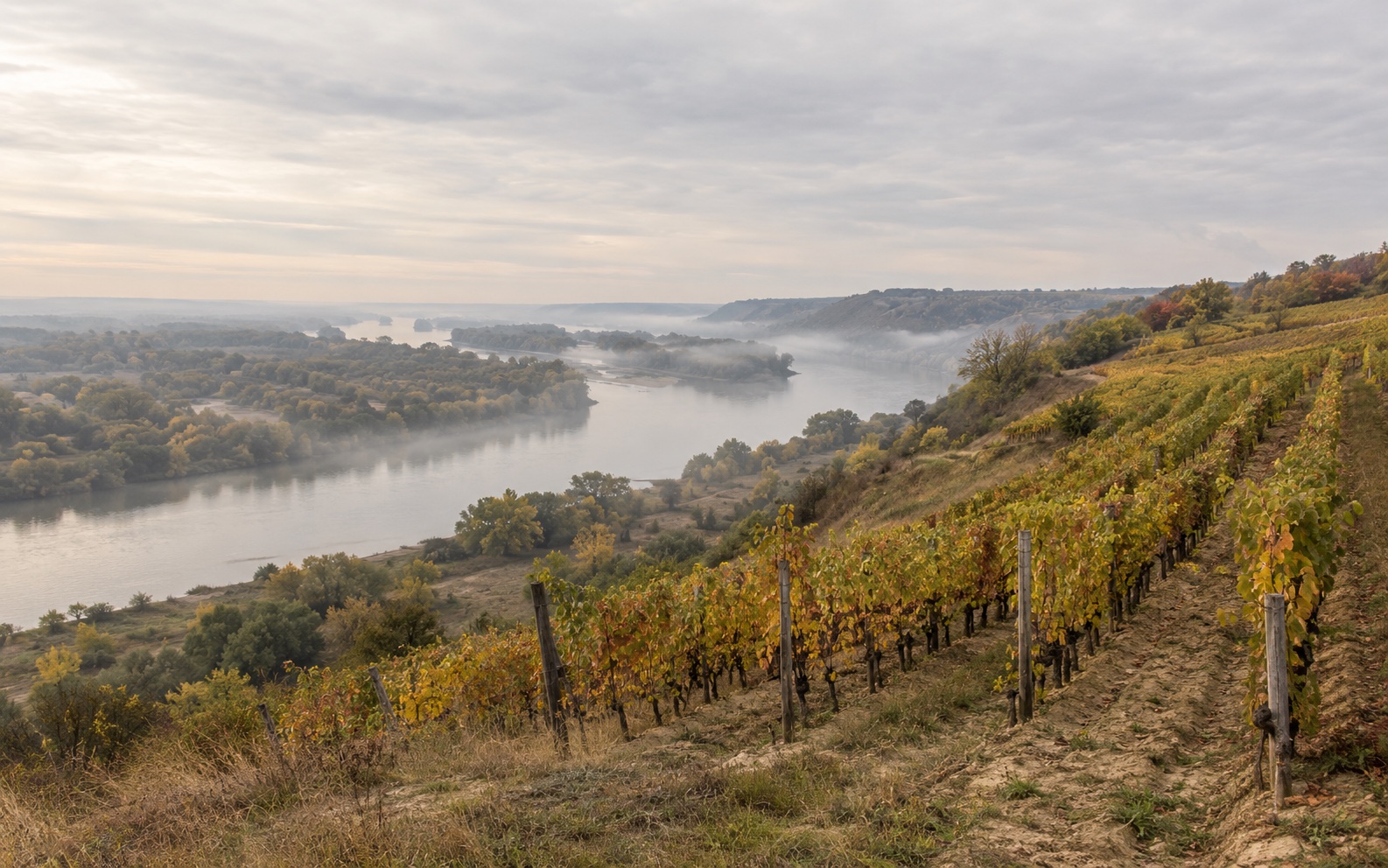
Polish vineyards sit between the 49th and 53rd parallels, almost all below 300–400 metres, on slopes that face south toward the Vistula, the Oder and the San.
Read on ↓Show less ↑
Polish vineyards sit between the 49th and 53rd parallels, almost all below 300–400 metres, on slopes that face south toward the Vistula, the Oder and the San. The rivers matter twice: they drain cold air off the slopes in spring, and they moderate the continental winters that can still fall to −20 °C in Lubuskie.
The climate is transitional, oceanic in the west and continental in the east, with 450–650 mm of rain in the lowlands and a growing season of 180 to 230 days. Mean temperatures have risen about half a degree per decade; the sum of active temperatures in central Poland crossed 2,700 °C in 2021, enough for mid-early varieties, and warmer winters now bring earlier budburst and more exposure to late frost.
Wine regions · 7
Seven regions, no appellations yet.
Lower Silesia, Lubuskie, Małopolska, Sandomierz, Vistula Gorge, Subcarpathia, West Pomerania.
Read on ↓Show less ↑
- Lower Silesiamildest; granite, clay, calcareous · Pinot Noir, Chardonnay
- Lubuskie · Zielona GóraOder hills; loam-sand · historic Grünberg, sparkling
- Małopolska · Kraków JuraJurassic limestone, loess · white-led
- Sandomierzloess over limestone; Vistula · wine route
- Vistula Gorge · Kazimierzloess and limestone slopes · natural-wine cluster
- Subcarpathia · JasłoCarpathian foothills; coolest · hybrids, high acidity
- West PomeraniaBaltic-tempered; sand, loam · largest estate
Soils · a section from the Oder to the Vistula
Wind-blown silt, old sea floors, and the roots of mountains.
Read on ↓Show less ↑
- Loess
- Limestone, calcareous
- Sandy clay
- Granite
- Topsoil
Grapes
Four in five vines are hybrids. That is changing.
About 80% of plantings are still PIWI varieties bred for cold and disease resistance; Solaris is the most-planted white. Riesling leads the vinifera, and Pinot Noir, on roughly 100 hectares across 120 wineries, is now the most-planted red.
About 80% of plantings are still PIWI varieties bred for cold and disease resistance; Solaris is the most-planted white.
Read on ↓Show less ↑
About 80% of plantings are still PIWI varieties bred for cold and disease resistance; Solaris is the most-planted white. Riesling leads the vinifera, and Pinot Noir, on roughly 100 hectares across 120 wineries, is now the most-planted red.
leading vinifera · lime, precision, petrol with age
≈100 ha · red cherry, raspberry, gentle tannin
PIWI white · Riesling parentage
PIWI red · dark fruit, soft
PIWI · textured whites, skin contact
Austrian cross · blueberry, light reds
Lower Silesia, Pomerania · cool, taut
What Polish wine tastes like
Bright, light, and built on acidity.
Whites, two-thirds of production, are crisp and aromatic: green apple, citrus, white flowers, stone fruit, with a line of natural acidity that the old joke called "Piast acidity".
Read on ↓Show less ↑
Whites, two-thirds of production, are crisp and aromatic: green apple, citrus, white flowers, stone fruit, with a line of natural acidity that the old joke called "Piast acidity". Reds are light and fragrant, closer to Beaujolais or the Loire than to anything further south. That acidity makes traditional-method sparkling a natural fit, and a lively scene of pét-nat, skin-contact and qvevri wines has grown around it.
People & producers
The estates we work with in Poland.
Read on ↓Show less ↑
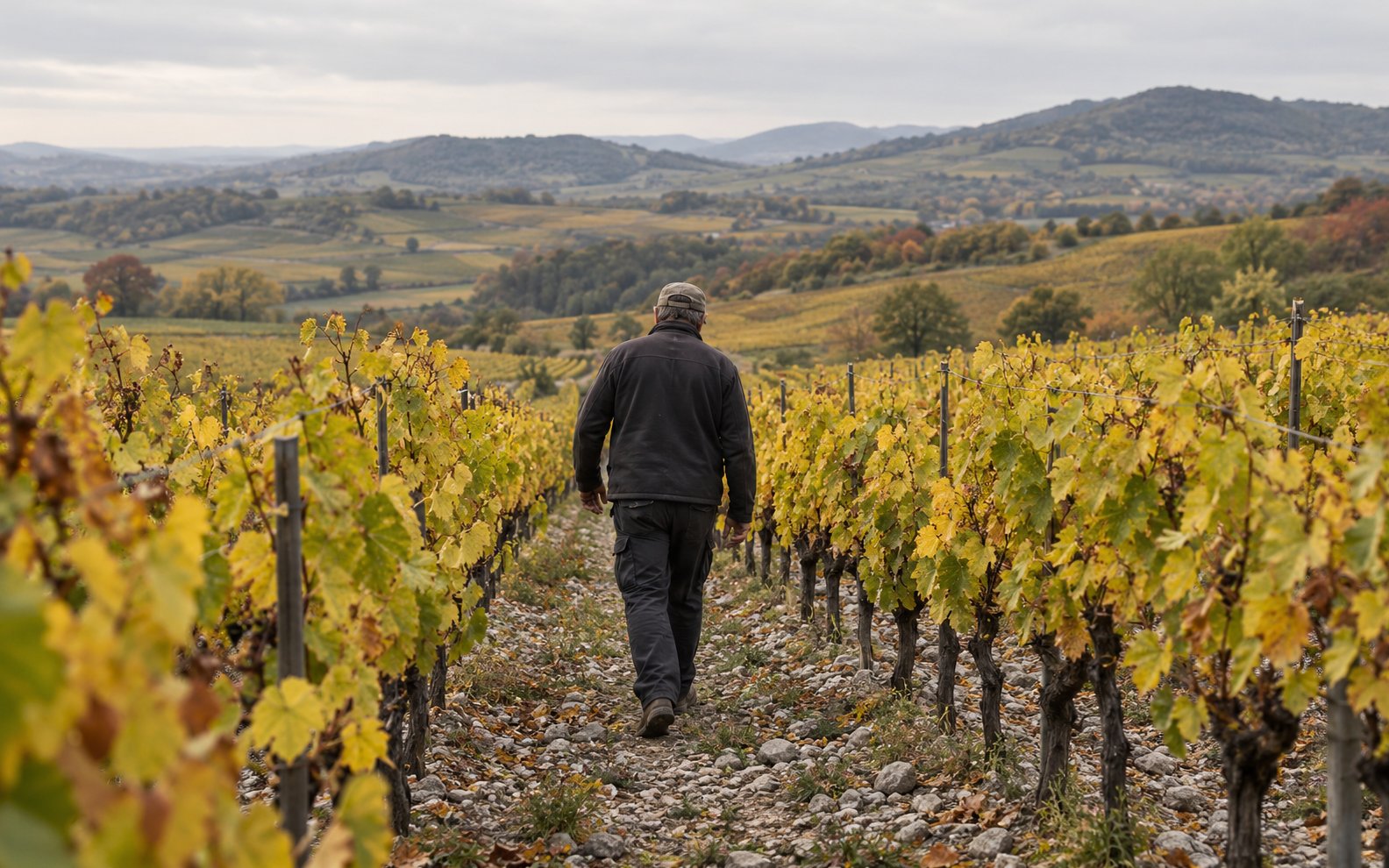
Winnica Silesian
Lower Silesia · granite · 10.5 ha
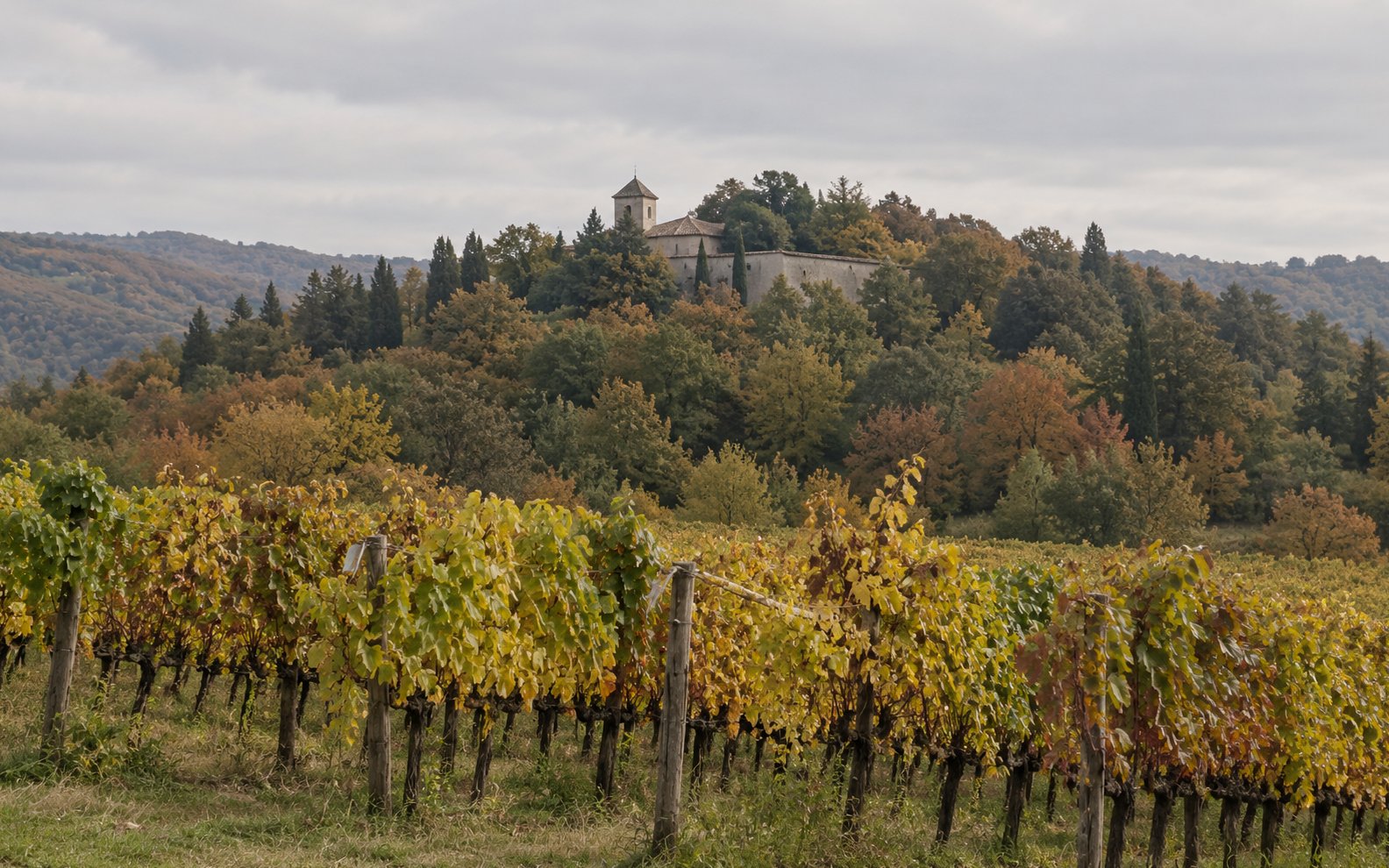
Winnica Srebrna Góra
Kraków · limestone, loess · 28 ha
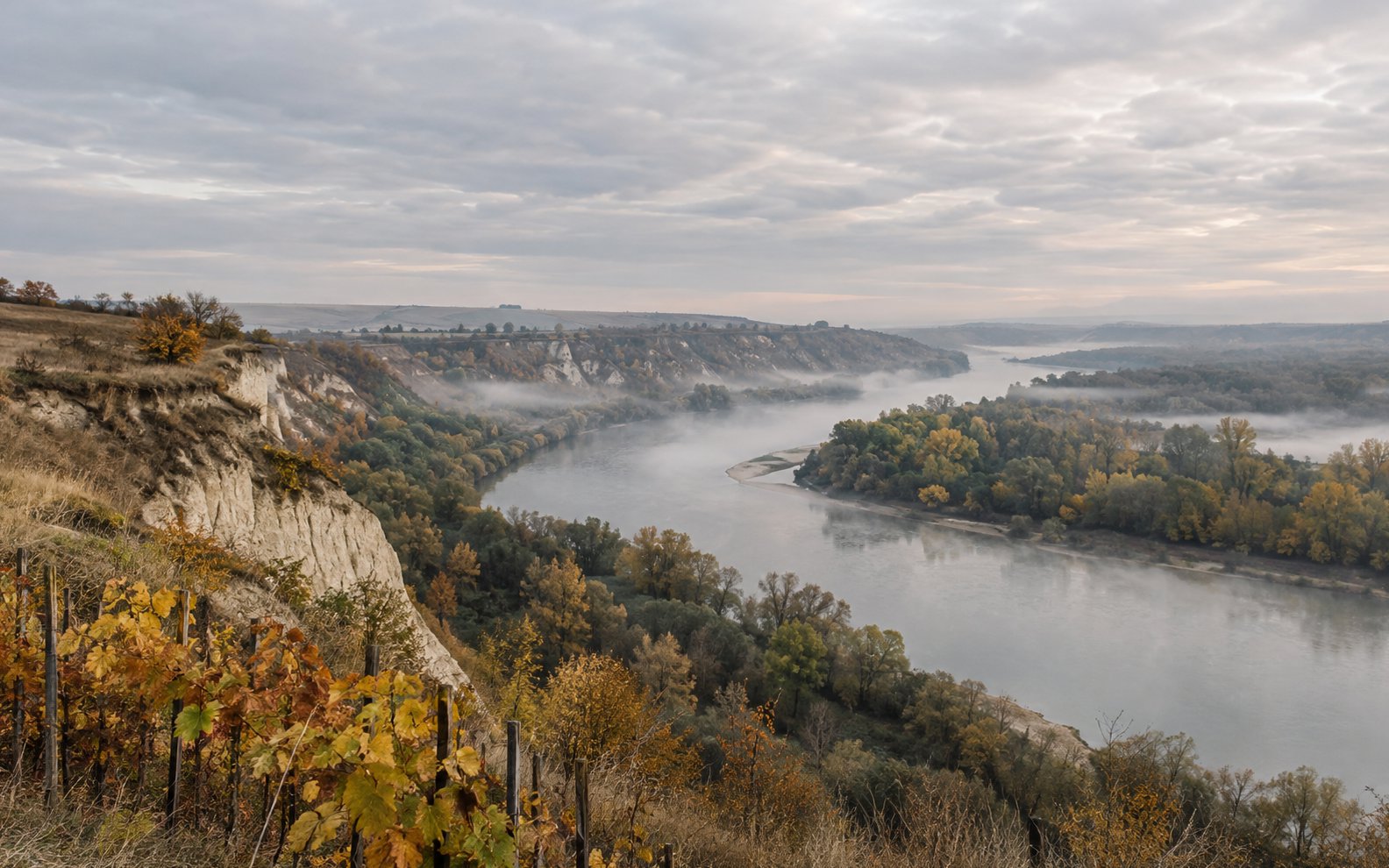
Dom Bliskowice
Vistula Gorge · loess · natural
History
Nine centuries, two collapses, one revival.
Read on ↓Show less ↑
- 1136Bull of Gniezno records vineyards near Płock
- 1250Cistercians plant at Paradyż; medieval peak near 4,000 ha
- 1513Little Ice Age frosts destroy the Lubuskie vines
- 1826Grempler Sekt house in Grünberg; 1,400 ha by the 1860s
- 1945Grünberg becomes Zielona Góra; 150 ha falls to 66
- 1982Roman Myśliwiec plants at Jasło; the revival begins
- 2008Wine law lets small registered estates sell; 20 producers in 2009
- 2025673 growers; vineyard area passes 1,000 ha
Today
Small, fast, and still deciding what it is.
The average Polish vineyard is 1.4 hectares.
Read on ↓Show less ↑
The average Polish vineyard is 1.4 hectares. The market grows 10–15% a year, the register has gone from 20 producers to more than 600 in fifteen years, and the first appellation, for Lower Silesia, is in the EU process. Vinifera is replacing hybrids on the best slopes, and the people doing it are mostly on their first or second decade.
What makes Poland interesting now is not that it is new, but that it is undecided: sparkling, skin-contact, Pinot Noir, Riesling, the hybrids, all are being tried seriously at once, by people who can still taste every wine in the country.