- Vintage
- 2022
- Grapes
- not disclosed
- Alcohol
- 12.0% vol
- Soil
- not disclosed
- Elevation
- 160–200 m
- Farming
- low intervention
- Harvest
- by hand, late September
- Fermentation
- on the skins in amphora, native yeast
- Ageing
- 6 months in amphora
- Production
- 900 bottles
- Serve
- 12–14 °C
- Cellar
- 3–6 years
Tasting
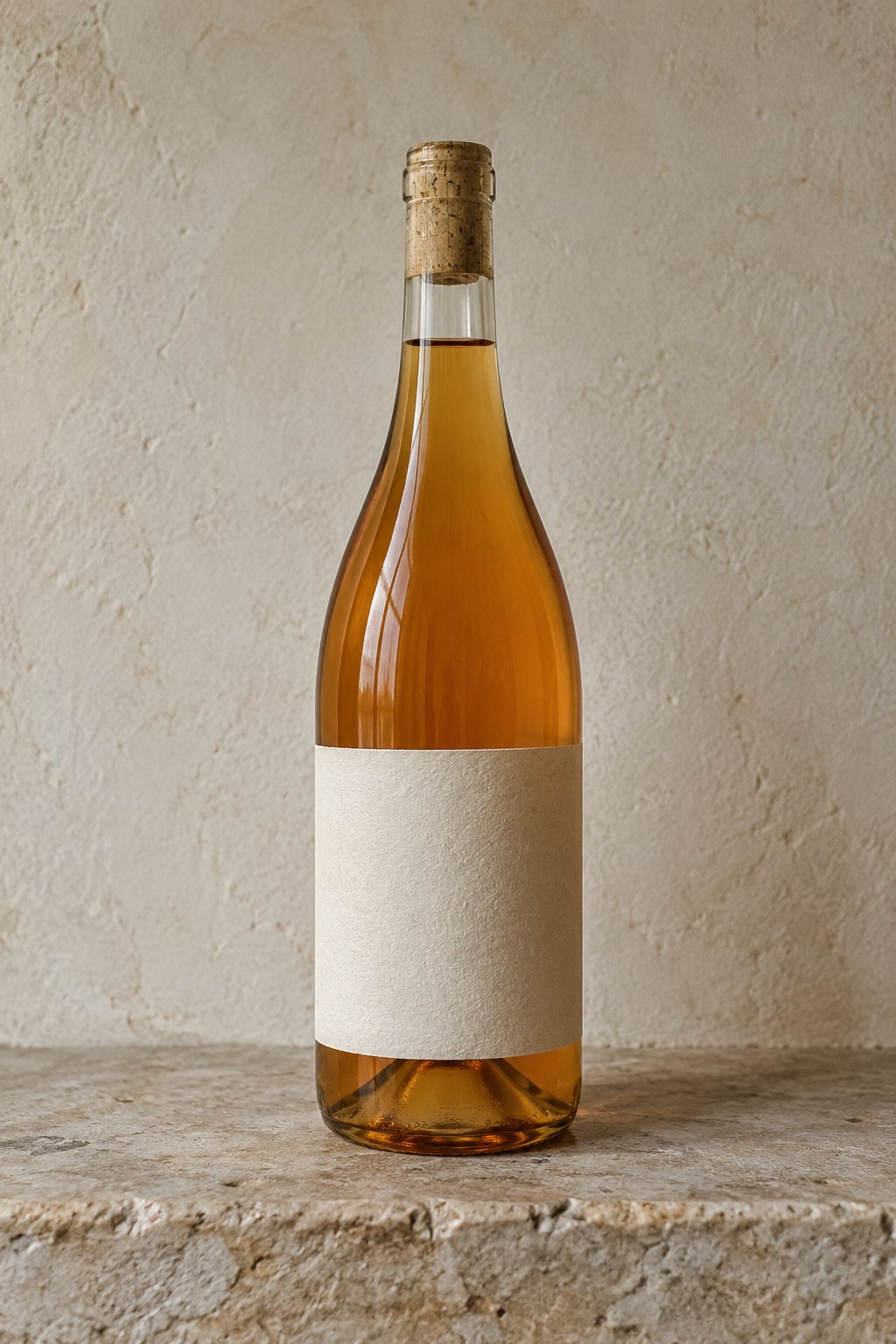
Amber-orange and slightly hazy. Dried apricot, orange peel, black tea and a little bruised apple. White grapes left on their skins in clay amphorae: the skins give colour and a fine, dry tannin, and the clay lets the wine breathe without adding the taste of wood. Medium-bodied, savoury rather than fruity, with a long and gently bitter finish. Decant it, serve it barely cool, and give it food.
Food
Roast squash with sage, Charcuterie and fermented vegetables, Lamb with cumin
Why does it taste like this?
Descend one layer at a time.
Grape · white grapes, on the skinsWhite grapes fermented on their skins, which give the colour, the grip and the tea-like edge.
Soil · not yet mappedWe have not mapped this estate's ground yet; in this wine the clay of the amphora does more than the soil.
Vineyard · Estate vineyardsGlina means clay: the wine is named for the amphorae, which shape it more than any single parcel.
Winnica Jakubów.
Region · Lower Silesia
Poland's mildest wine country, in the Oder valley around Wrocław. Granite in the Sudeten foothills, loess and sandy clay along the river, calcareous ground to the south-east; Pinot Noir and Chardonnay do best. The first Polish appellation application is for this region.
Climate · transitional oceanic–continental
Transitional oceanic–continental, EU zone A; growing season 180–230 days, 1,400–1,900 sunshine hours, 450–650 mm rain in the lowlands.
- Latitude
- ≈ 50.5° – 51.5° N
- Elevation
- 120 – 350 m · Trzebnica Hills to the north
- Climate
- mildest in Poland; oceanic influence from the west
- Rainfall
- ≈ 550 – 650 mm
- Growing season
- ≈ 200 – 230 days
History · c.1600 BC to Today
- c.1600 BC
- Baltic amber reaches the Mediterranean; the road exists
- 1st c.
- Roman Carnuntum, Pannonia, Aquileia; vines along the Danube
- 966
- Christianisation; Bull of Gniezno records Polish vineyards
- 1136
- 1136 · The Bull of Gniezno
- 1250
- Cistercians at Paradyż; medieval peak near 4,000 ha
- 1513
- Little Ice Age frosts; the long cooling
- 1826–60s
- Grempler Sekt; Grünberg's 1,400 ha
- 1900
- Phylloxera; Moravia falls to 3,800 ha
- 1945
- Borders redrawn twice; Grünberg becomes Zielona Góra
- 1982
- Jasło, hobbyists, EU accession, the 2008 law
- 2008
- 2008 · The wine law
- Today
- 673 growers in Poland; the first PDO in process
See where this wine comes from
Bottle → producer → vineyard → region → country → Central Europe