Grape · 3 min · 20 July 2026
Five Central European grapes you should know
Solaris, Pálava, Furmint, Rebula, Blaufränkisch: one paragraph each, no homework.
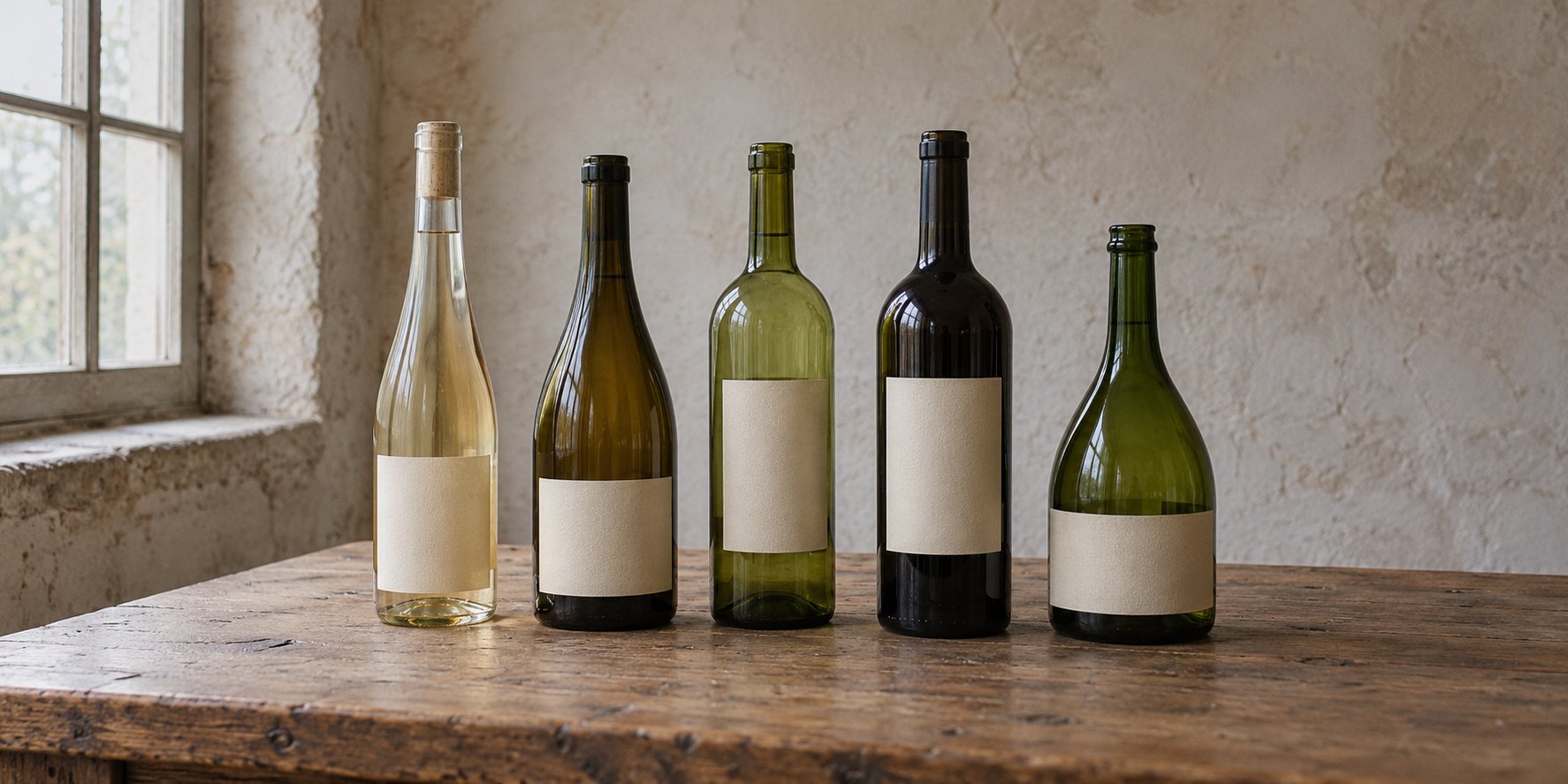
Most wine lists stop at Vienna, and so do most grape primers. The five grapes below grow on the other side of that line, along the road from the Baltic to the Adriatic. Each has a name, a home and a taste worth knowing. One paragraph each, no homework, and a pronunciation where it helps.
Solaris (so-LAH-ris) is a white grape bred for the cold. Norbert Becker made it at the Freiburg grape-breeding institute in 1975, from a cross of Merzling and Gm 6493. It ripens weeks ahead of Riesling and resists mildew, which is why it became the most-planted variety in Poland, a country where winter can reach −20 °C. It is a PIWI grape, one of the disease-resistant varieties that still make up about 80% of Polish plantings. In the glass it is ripe and open: yellow apple, pear, elderflower, a honeyed edge. The best growers now pick it early for freshness, ferment it dry, and sometimes leave it on its skins. It is the easiest door into Polish wine, and the one most people walk through first.
Pálava (PAH-la-va) is Moravian. It was crossed in 1953 from Gewürztraminer and Müller-Thurgau, and it has become one of Czechia's signature grapes. It shares its name with the limestone hills of southern Moravia. Of the five grapes here it is the most aromatic: it carries some of Gewürztraminer's perfume, with more weight than freshness, and it is made both dry and sweet. If you like aromatic whites, start here. If you think you do not, start here anyway, with a dry one and a plate of something spiced.
Furmint is Hungary's signature white, probably born in Tokaj, and a parent of Hárslevelű, Tokaj's other great grape. In Slovenia it is called Šipon, and elsewhere Mosler. It has very high natural acidity, which is why it can make both a bone-dry white and a sweet wine from the same vineyard. Dry Furmint is taut and textured rather than fruity. Sweet Furmint keeps its line however much sugar it carries. Either way, the acidity is the point, and it is the grape that taught us most about how Central European whites are built.
Rebula is the white of Goriška Brda, on the Slovenian side of the hills, and of the Collio across the border in Friuli, where it is called Ribolla Gialla. In Slovenia you will also see Rumena rebula. Most of the world's plantings are Slovenian. It is a grape at home with skin contact: left on its skins for days or weeks, it turns amber, firm and gently tannic, with dried fruit and herbs where a pressed white would have apple and citrus. Pressed straight, it is lean and fresh. Both versions are worth drinking; the amber one is worth seeking out.
Blaufränkisch is one red grape with many names. Austria calls it Blaufränkisch, Czechia Frankovka, Slovakia Frankovka modrá, Hungary Kékfrankos, Slovenia Modra frankinja, and Germany Lemberger. Its parents are Gouais blanc and Blaue Zimmettraube, and it probably comes from Lower Styria, in today's Slovenia, although the exact birthplace is unknown. It is the structured red of the road: dark fruit, firm acidity, spice, enough tannin to stand up to food. If you drink one red from Central Europe this year, make it this one, under whichever name you find it.
Five grapes, five countries, one road, and between them most of what Central European wine can do: cool-climate freshness, perfume, acidity built to last, amber texture, and a red with structure. None of them is a novelty where it grows. Solaris is the newest, and it is already older than most of the estates that farm it. The others have been in their places for generations. What is new is that their wines are leaving those places, and that is where we come in.